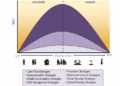

Delving into Best High Net Worth Wealth Management Options for Business Leaders, this introduction immerses readers in a unique and compelling narrative, with a casual formal language style that is both engaging and thought-provoking from the very first sentence.
As business leaders navigate the complexities of managing their wealth, it becomes crucial to explore the best high net worth wealth management options available. From private banking services to investment portfolio management, understanding the nuances of these choices is essential for financial success.
Best High Net Worth Wealth Management Options for Business Leaders
High net worth wealth management is crucial for business leaders to effectively manage and grow their assets. With substantial wealth comes the need for specialized financial services and strategies to ensure long-term financial security and growth.
Key Considerations for Selecting Wealth Management Options
When choosing wealth management options, business leaders should consider factors such as the level of customization offered, the expertise of the financial advisors, the range of services provided, and the fees involved. It is essential to select a wealth management firm that aligns with their financial goals and risk tolerance.
Specific Needs and Challenges for High Net Worth Individuals
- Asset Protection: High net worth individuals need to protect their assets from risks such as lawsuits, creditors, and unforeseen events. Wealth management options should include strategies for asset protection.
- Estate Planning: Business leaders with substantial wealth need to plan for the transfer of their assets to future generations. Wealth management services should include comprehensive estate planning solutions.
- Tax Efficiency: High net worth individuals face complex tax situations and need wealth management options that focus on tax optimization strategies to minimize tax liabilities.
- Risk Management: With significant assets at stake, business leaders need wealth management services that prioritize risk management and diversification to preserve wealth in volatile market conditions.
Private Banking Services
Private banking plays a crucial role in wealth management for business leaders, especially those with high net worth. It offers personalized financial services tailored to the unique needs and preferences of affluent clients.
Comparison with Other Wealth Management Options
Private banking services differ from traditional retail banking and investment management in several key ways. While retail banking caters to the general public, private banking focuses on high net worth individuals, providing exclusive services such as customized investment strategies, estate planning, and wealth preservation.
On the other hand, investment management firms typically offer a range of investment products to a broader client base, while private banking emphasizes personalized relationship management and tailored financial solutions.
Benefits for High Net Worth Individuals
- Personalized Wealth Management: Private bankers work closely with clients to understand their financial goals and develop customized strategies to grow and protect their wealth.
- Exclusive Investment Opportunities: Private banking clients gain access to exclusive investment opportunities, such as private equity and hedge funds, that may not be available to retail investors.
- Concierge Services: Private banking often includes concierge services, such as travel planning, luxury goods procurement, and estate management, to enhance the overall client experience.
- Confidentiality and Privacy: Private banking offers a high level of confidentiality and privacy, ensuring that sensitive financial information remains secure and protected.
- Wealth Transfer and Succession Planning: Private bankers assist high net worth individuals in creating comprehensive wealth transfer and succession plans to ensure the smooth transition of assets to future generations.
Investment Portfolio Management
Investment portfolio management plays a crucial role in wealth management for high net worth individuals, especially business leaders. It involves strategically allocating assets to achieve financial goals while minimizing risks.
Strategies for Diversifying Investment Portfolios
Diversification is key to managing risk in investment portfolios. Business leaders with high net worth should consider the following strategies:
- Asset Allocation: Spread investments across different asset classes such as stocks, bonds, real estate, and commodities to reduce exposure to any single risk.
- Global Diversification: Invest in international markets to benefit from growth opportunities and reduce country-specific risks.
- Alternative Investments: Include alternative assets like private equity, hedge funds, and real assets to further diversify the portfolio and potentially enhance returns.
- Risk Management: Regularly review and adjust the portfolio to ensure it aligns with changing financial goals and risk tolerance.
Examples of Investment Vehicles for High Net Worth Individuals
High net worth individuals, including business leaders, have access to a wide range of investment vehicles to grow their wealth. Some examples include:
- Private Equity: Investing in private companies or funds that focus on acquiring and growing businesses.
- Venture Capital: Backing early-stage companies with high growth potential in exchange for equity ownership.
- Hedge Funds: Pooling funds with other investors to access sophisticated investment strategies and potentially higher returns.
- Real Estate Investment Trusts (REITs): Investing in real estate properties through a publicly traded company, providing diversification and regular income.
Estate Planning and Wealth Transfer
Estate planning and wealth transfer are crucial aspects for business leaders to consider in order to ensure the smooth transfer of assets to their heirs and beneficiaries. It involves creating a plan for how assets will be distributed after one's passing, taking into account tax implications and the wishes of the individual.
Importance of Estate Planning
Estate planning is essential for business leaders as it helps in:
- Ensuring that assets are distributed according to one's wishes
- Minimizing estate taxes and other financial obligations
- Protecting assets from creditors and other liabilities
- Providing for the financial well-being of loved ones
Key Considerations for Effective Estate Planning Strategies
Effective estate planning strategies should include:
- Creating a will or trust to Artikel asset distribution
- Appointing guardians for minor children
- Regularly reviewing and updating the estate plan as circumstances change
- Considering the impact of taxes on asset transfers
Impact of Estate Taxes and Ways to Mitigate Them
Estate taxes can significantly reduce the value of an estate passed on to heirs. Ways to mitigate estate taxes include:
- Utilizing trusts to transfer assets tax-efficiently
- Gifting assets during one's lifetime to reduce the size of the estate
- Taking advantage of tax deductions and credits available for estate planning
- Consulting with a financial advisor or estate planning attorney to develop a tax-efficient plan
Ending Remarks

In conclusion, the realm of high net worth wealth management for business leaders is multifaceted and dynamic, requiring careful consideration and strategic planning. By utilizing the right tools and services tailored to their needs, business leaders can effectively navigate the complexities of wealth management and secure their financial future with confidence.
Question Bank
What are some key considerations for high net worth individuals when selecting wealth management options?
High net worth individuals should prioritize factors such as personalized services, investment expertise, and a comprehensive understanding of their unique financial goals.
How does estate planning benefit business leaders with high net worth?
Estate planning allows business leaders to safeguard their assets and ensure a smooth transfer of wealth to future generations, minimizing potential disputes and tax implications.
What role does investment portfolio management play in wealth management for business leaders?
Investment portfolio management is essential for diversifying assets, maximizing returns, and minimizing risks, providing business leaders with a strategic approach to wealth growth and preservation.