
Delve into the world of strategic investment decisions with the support of PWM Finance, unraveling a complex yet rewarding landscape of financial opportunities and risks.
Explore the intricacies of data analysis, risk management strategies, and cutting-edge technology that shape the decision-making process in the realm of high-stakes investments.
Introduction to PWM Finance
PWM Finance, which stands for Private Wealth Management Finance, plays a crucial role in assisting individuals with significant assets in making strategic investment decisions. This specialized branch of finance focuses on managing the finances of high-net-worth individuals, providing tailored solutions to meet their unique financial goals.
Significance of PWM Finance
- PWM Finance offers personalized investment strategies that take into account the specific needs and risk tolerances of high-net-worth clients.
- By leveraging PWM Finance services, individuals can access a wide range of investment opportunities that may not be available through traditional financial services.
- Through PWM Finance, clients benefit from expert advice and guidance from experienced wealth managers who understand the complexities of managing substantial wealth.
Examples of PWM Finance in the Financial Industry
- Many private banks and wealth management firms offer PWM Finance services to cater to the needs of affluent clients seeking customized investment solutions.
- Family offices often utilize PWM Finance to oversee the financial affairs of wealthy families, including investment management, estate planning, and tax optimization.
- Hedge funds and private equity firms may also incorporate PWM Finance strategies to manage the portfolios of high-net-worth investors looking for alternative investment opportunities.
Role of PWM Finance in Managing High-Net-Worth Individuals' Portfolios
- PWM Finance professionals work closely with clients to develop comprehensive financial plans that align with their long-term objectives and risk profiles.
- By utilizing sophisticated financial tools and analysis, PWM Finance experts help high-net-worth individuals optimize their investment portfolios for maximum returns.
- Through ongoing monitoring and adjustments, PWM Finance ensures that clients' portfolios remain aligned with their evolving financial goals and market conditions.
Understanding Strategic Investment Decisions
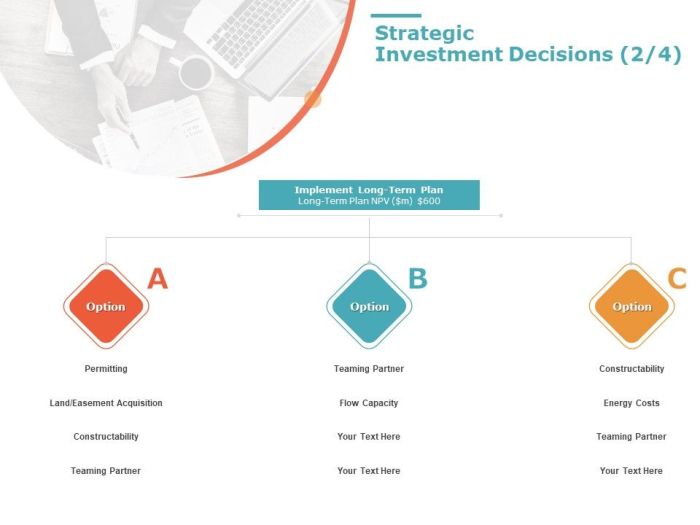
Strategic investment decisions refer to long-term choices made by companies or individuals to allocate resources in a way that will help achieve specific financial goals or objectives.
Importance of Strategic Decision-making in Financial Planning
Strategic decision-making plays a crucial role in financial planning as it involves analyzing various investment options to determine the best course of action that aligns with the overall financial strategy. By carefully evaluating the risks and potential returns of different investment opportunities, individuals and companies can make informed decisions that contribute to their long-term financial success.
Examples of Strategic Investment Decisions
- Apple's decision to invest in developing the iPhone back in 2007 was a strategic move that revolutionized the smartphone industry and led to significant financial gains for the company.
- Warren Buffet's strategic decision to invest in Coca-Cola in the 1980s proved to be highly successful, as the company's stock value soared over the years, resulting in substantial returns for Buffet and his investment firm.
- Amazon's strategic investments in expanding its e-commerce platform and cloud computing services have positioned the company as a dominant player in the tech industry, driving continuous growth and profitability.
Importance of Data Analysis in Strategic Investments
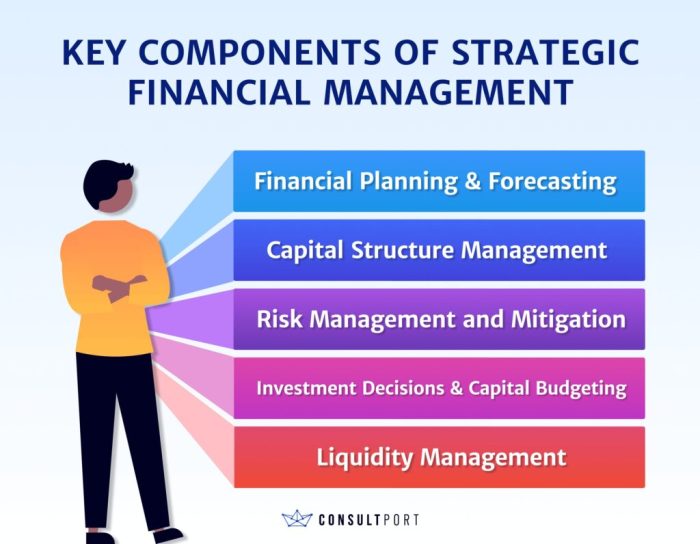
Data analysis is a crucial component in making strategic investment decisions as it provides valuable insights and helps in assessing risks and opportunities accurately. By analyzing data, investors can make informed decisions based on facts rather than relying solely on intuition or guesswork.
Types of Data Used in Analyzing Investment Opportunities
- Market Data: Information on market trends, competitor analysis, and consumer behavior.
- Financial Data: Company financial statements, cash flow, and profitability ratios.
- Economic Data: GDP growth, inflation rates, and interest rates that impact investment decisions.
- Sentiment Data: Social media trends, news sentiment, and investor sentiment that influence market movements.
How PWM Finance Utilizes Data Analysis to Support Strategic Investment Decisions
PWM Finance leverages advanced data analysis techniques to identify key trends, patterns, and correlations in the market. By utilizing sophisticated algorithms and machine learning models, PWM Finance can predict market movements, assess risks, and identify profitable investment opportunities
Risk Management Strategies in PWM Finance
Effective risk management is crucial in Private Wealth Management (PWM) Finance to protect investments and maximize returns. By implementing various risk management strategies, PWM Finance can mitigate potential risks and achieve long-term financial goals.
Different Risk Management Strategies in PWM Finance
- Diversification: PWM Finance spreads investments across different asset classes to reduce overall risk.
- Asset Allocation: By strategically allocating assets based on risk tolerance and investment goals, PWM Finance can manage risk effectively.
- Stop-loss Orders: Setting stop-loss orders helps limit losses by automatically selling an asset if it reaches a predetermined price.
- Hedging: Using derivatives or other financial instruments to offset potential losses in a portfolio.
Comparison of Risk Management Techniques for Short-term vs. Long-term Investments
For short-term investments, PWM Finance may focus on minimizing volatility and liquidity risks, while long-term investments involve managing inflation and market risks. Short-term strategies may involve more active monitoring and adjustments, while long-term strategies emphasize staying the course and riding out market fluctuations.
Examples of Risk Mitigation in Strategic Investment Decisions
- Scenario Analysis: Conducting scenario analysis to assess potential outcomes and adjust strategies accordingly.
- Due Diligence: Thorough research and analysis before making investment decisions to minimize risks.
- Regular Portfolio Reviews: Continuous monitoring and rebalancing of portfolios to ensure alignment with risk tolerance and financial goals.
- Utilizing Risk Management Tools: Employing risk management tools and software to track and analyze risks in real-time.
Leveraging Technology in PWM Finance
Technology plays a crucial role in enhancing strategic investment decisions in PWM Finance. By leveraging advanced tools and software, wealth managers can analyze data more efficiently, identify trends, and make informed investment choices.
Role of Artificial Intelligence and Machine Learning
- Artificial intelligence (AI) and machine learning algorithms are integrated into PWM Finance practices to automate data analysis and decision-making processes.
- These technologies can process vast amounts of financial data in real-time, identify patterns, and predict market trends with greater accuracy.
- By using AI and machine learning, wealth managers can make more informed investment decisions based on data-driven insights.
Benefits of Technology Tools in Strategic Investments
- Improved Efficiency: Technology tools help wealth managers streamline their workflows, saving time and resources in analyzing and executing investment strategies.
- Enhanced Accuracy: AI and machine learning algorithms reduce human error in decision-making, leading to more precise investment outcomes.
- Risk Management: Technology tools can assess risks more effectively, allowing wealth managers to implement better risk management strategies and protect client assets.
- Customization: Advanced technology tools enable wealth managers to customize investment strategies according to individual client needs and preferences.
Conclusion
As we conclude our exploration, the journey through understanding how PWM Finance supports strategic investment decisions leaves us with a newfound appreciation for the blend of expertise and innovation driving financial success in today's dynamic markets.
Top FAQs
How does PWM Finance differ from traditional financial management?
PWM Finance focuses specifically on managing high-net-worth individuals' portfolios and providing tailored investment strategies, unlike traditional financial management that caters to a broader client base.
What role does data analysis play in strategic investment decisions supported by PWM Finance?
Data analysis is crucial in identifying trends, patterns, and potential risks in investment opportunities, enabling informed decision-making and maximizing returns for clients.
How does PWM Finance utilize technology like artificial intelligence in decision-making processes?
PWM Finance leverages artificial intelligence to automate tasks, analyze vast amounts of data efficiently, and provide insights that aid in making strategic investment decisions with a competitive edge.